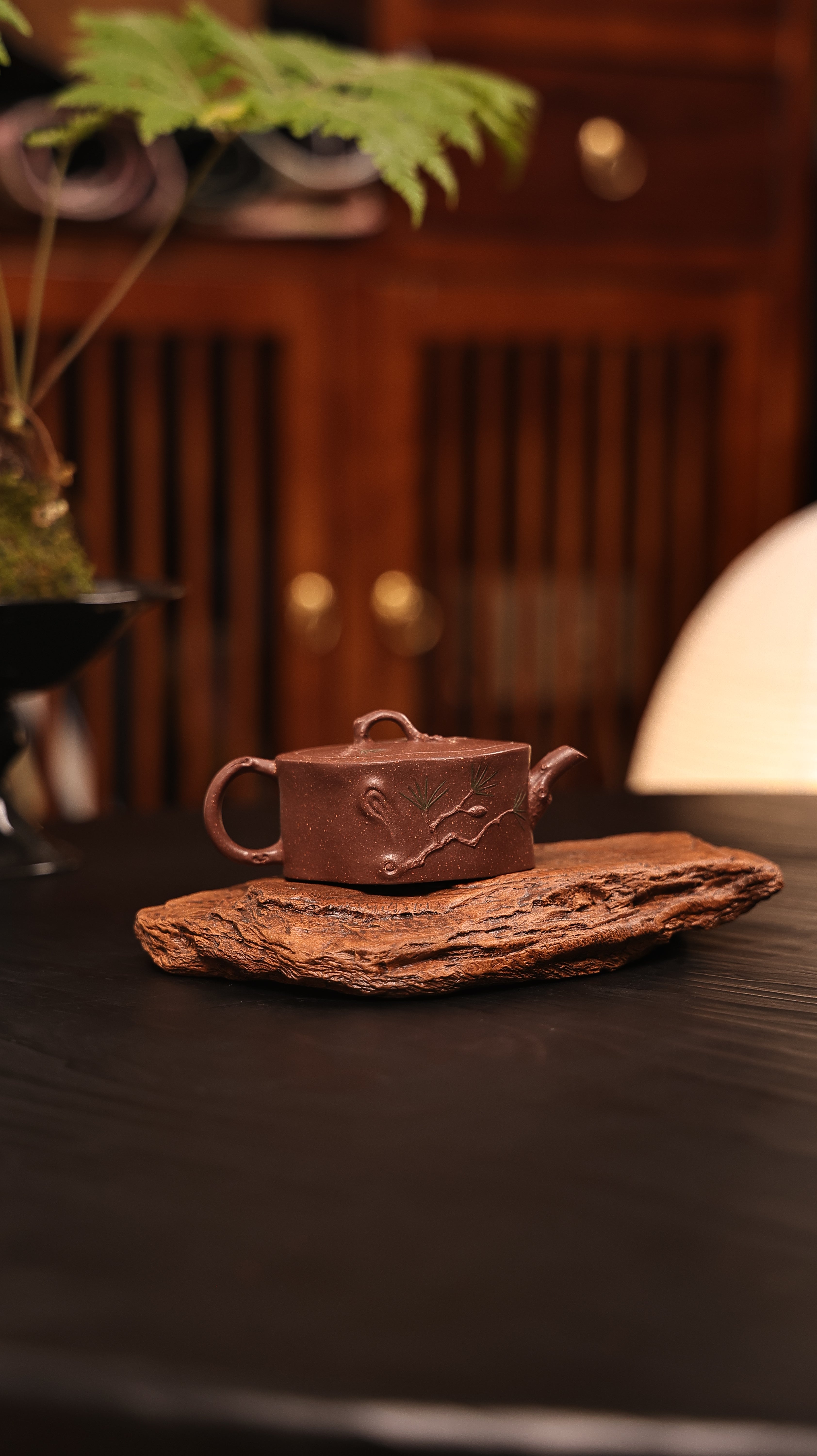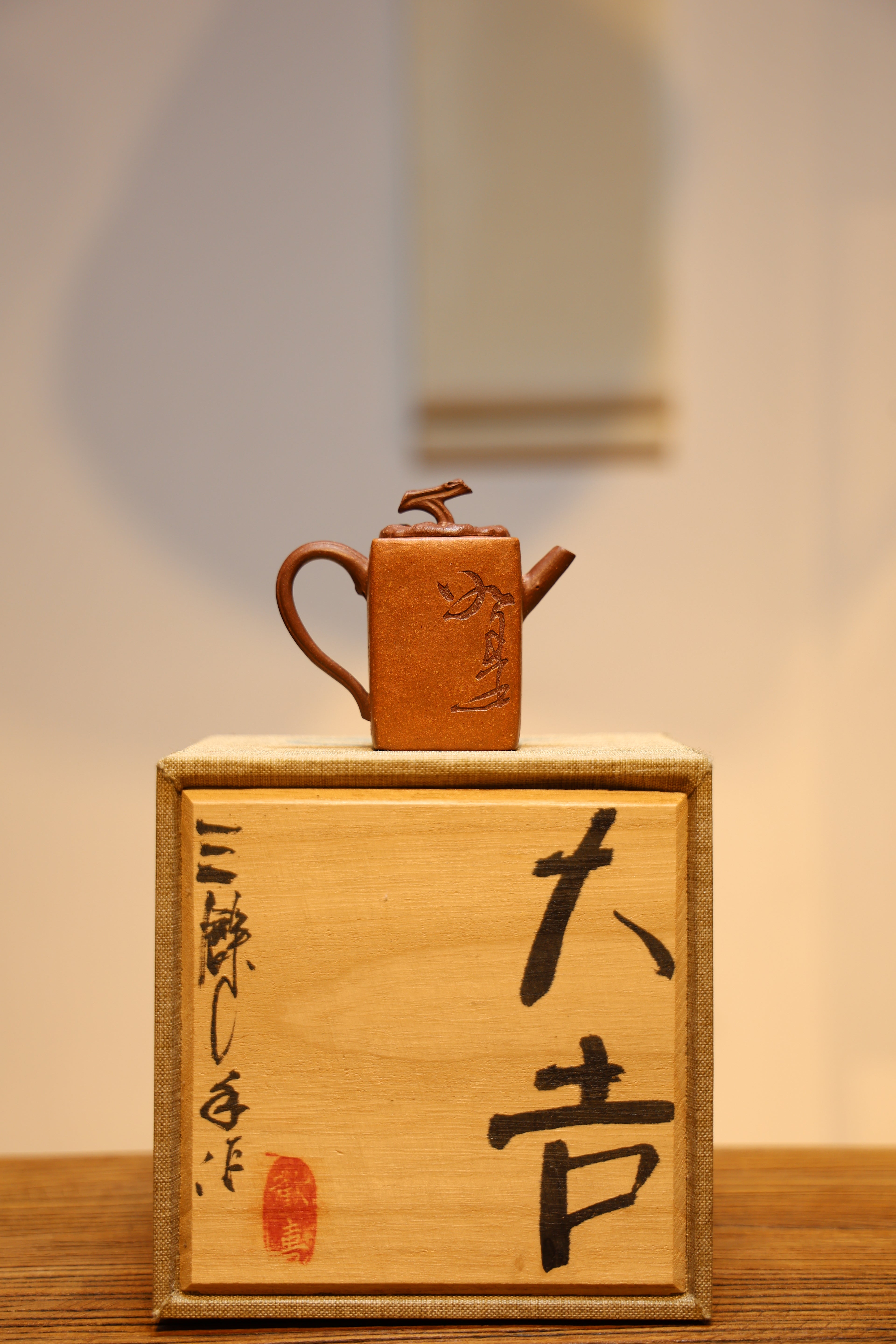
Periods in aficionados have desired the particular charm of Yixing Zisha vessels. Emerging in the cozy town of Yixing, the land, these earthenware are shaped from a unique and sourced purple clay celebrated for its outstanding thermal qualities and ability to refine the note of concoctions. Exceeding their operative merit, Zisha teapots symbolize a lasting social background, turning them extremely prized and a veritable marvel for any devoted teapot lover.
Exploring Yixing Kettles
Traditional teapots exhibit a remarkable unification of history and masterful craftsmanship. Emerging in Yixing, Jiangsu Sector of China, their narrative begins from the Ming Dynasty, although documentation suggest earlier manifestations. The exceptional maroon clay, called Zisha, found solely in the Yixing region, is the paramount component, contributing to the pots' unmatched heat maintenance and the manner they enhance the essence of tea. Generations of potters have improved techniques—often inherited through families—including designing the clay, applying complex embellishments, and firing the pots at exact temperatures.- Back then, Yixing teapots were often decorated with simple designs.
- Down the line, more advanced carvings and expressive motifs became trendy.
- The baking procedure itself is a vital element, requiring considerable time of experience.
Gathering Zisha Teapots: Fundamental Points
Commencing a search to assemble Zisha earthenware can be fruitful, but it’s crucial to recognize what to search for. Authenticity is critical; focus on the clay’s natural tint, a understated reddish-brown is characteristic. Examine the consistency; genuine Zisha has a unique tactile sensation, often characterized as slightly bumpy. The design should be attractive and consistent with traditional styles, while stamps, if present, require precise examination for genuineness. Don’t refrain to consult with professional consultants or trusted resources – their understanding is invaluable.
A Pitchers: Researching the Heritage of this Yixing Clay
Eons have seen Yixing Zisha teapots hold a important role in Chinese legacy. These masterfully created pots, sourced only from the zone of Yixing, are prominent for their distinctive color, consistency, and their ability to boost the scent of decoctions. Scores of collectors acquire antique Yixing teapots, valuing them greatly not only for their aesthetic beauty, but also for the story they reflect.
Yixing Zisha Teapots: The Best Types and Their Characteristics
Purple Clay teapots, coming from the local region of Yixing, the People’s Republic, are renowned for their unique clay and exceptional brewing capabilities. Among the countless Zisha types, notable sorts that are highly coveted include Tianqing. Binzhou, known for its profound purple shade and even texture, delivers a gentle flavor. The Duan Ni type, recognizable by its reddish color and somewhat grainy feel, is perceived to enhance the depth. Lastly, Zhuni clay boasts an uncommon red tone and can convey a agreeable nuance. Each form provides a distinct experience, affording them exceptionally desirable with beverage enthusiasts.
Perfecting Individual Clay Kettle
To tap into the capability of your Yixing pot, understanding the correct modus operandi is critical. These clay vessels, celebrated for their porosity, will successively incorporate the essence of the tea you formulate within them. Begin by flushing the teapot thoroughly with tepid water. Then, use only superior loose leaf tea, as lower quality options can impair the container’s delicate flavor profile. Always enable the leaves to open completely, and remember that with each application, your Yixing pot will become more valued.
Maintaining Your Exceptional Zisha Relic
Proper handling for your Zisha jar is necessary to preserving its quality and value. Zisha clay, famed for its unique coloration and makeup, requires delicate handling. Never use caustic detergents, as these can ruin the covering. After every brewing, rinse the jar with mild water and allow it to dehumidify completely.
- Do not soaking the pitcher for extended times.
- Sometimes use a soft cloth to buff the exterior.
- Weigh applying a thin layer of food-grade oil inside the pitcher after drying, which can minimize staining.
Basics of Yixing Vessels
Yixing containers, originating from the Yixing sector in Jiangsu Province, part of China, are celebrated for their distinctive aspects. Crafted from the unique purple ground known as Zisha, these earthenware are prized by concoction enthusiasts worldwide. This introduction will succinctly explain the pillars – covering types of Zisha soil, well-liked shapes, and fundamental care helpful hints. Understanding the background of Yixing containers can boost your appreciation for this celebrated example of Chinese artistry.
Mastery of Oriental Kettles: Highlighting Zisha originating in the Yixing area
Zisha soil from Yixing locality represents the peak of Asian pot design, boasting a special fusion of unprocessed beauty and utilitarian artistry. These distinguished pieces are esteemed for their dynamic pigments, often encompassing profound purples and orange hues to subtle greys and delicate beiges. The specific mineral composition of the local Zisha soil imparts a characteristic texture and produces a pleasing aroma that enhances the overall tea experience, affording them exceptionally wished-for collectibles and key components of any serious custom.